
“Brother David, how’s your soul?” The question took me by surprise. It was time for my first advisement meeting with my residency

“Brother David, how’s your soul?” The question took me by surprise. It was time for my first advisement meeting with my residency
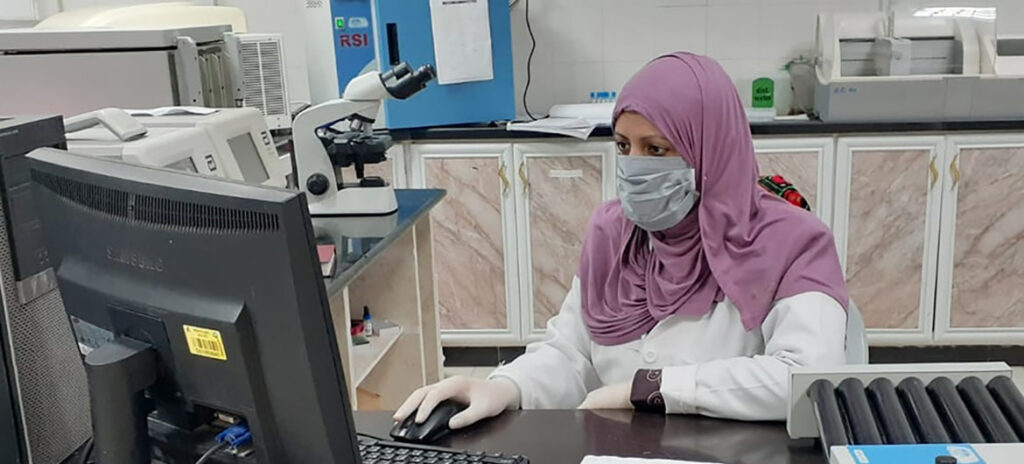
With COVID-19 cases on the rise in the Middle East following weeks of decline, the top UN official in the region has welcomed the Palestinian Authority’s decision to resume coordination with Israel.
More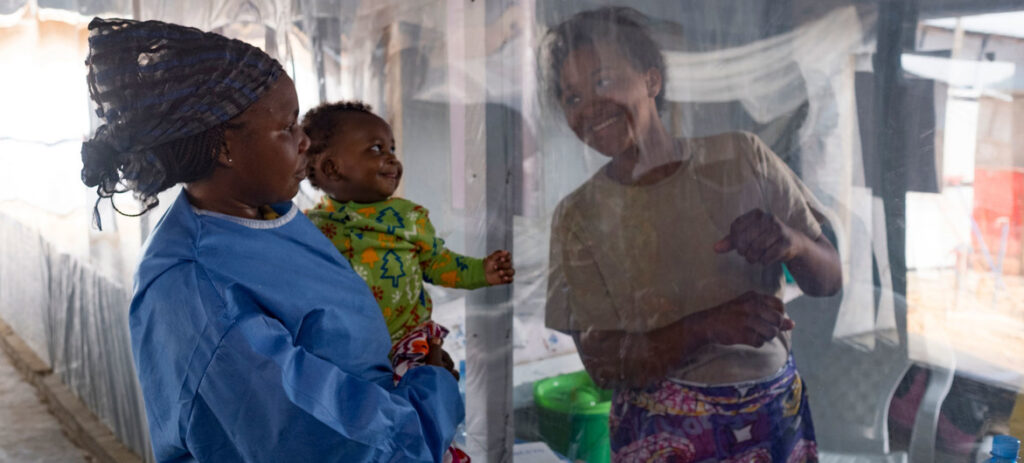
“This great achievement shows that together we can overcome any health challenge”, Dr. Tedros Adhanom Ghebreyesus, the WHO Director General, wrote in a tweet.
The outbreak in DRC’s northwestern Equateur Province emerged in early June and caused 130 Ebola cases and 55 deaths.
More
Eligible expenses as of 1 February 2020, with projects selected for support up to the end of 2023
More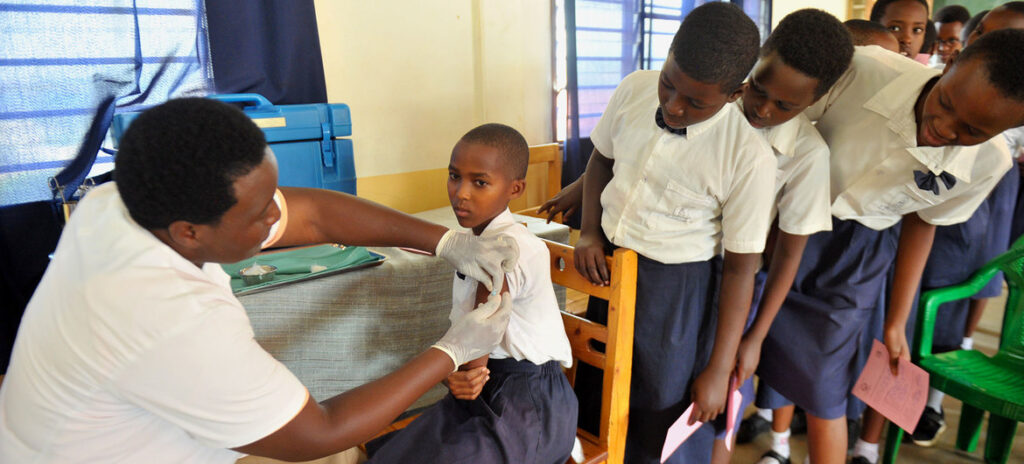
The World Health Organization (WHO) set out a strategy on Tuesday for eliminating cervical cancer, which would avoid the death of an estimated five million women and girls from the disease, by 2050.
More
A UN-backed fund, launched on Tuesday, is set to take on the centuries-old crisis centred around sanitation, hygiene and menstrual health, which now impacts more than four billion people across the world.
More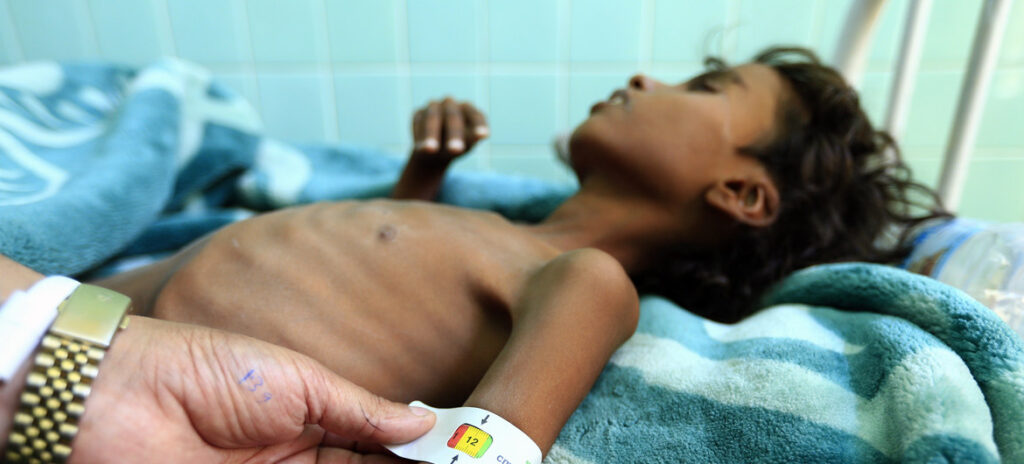
The United Nations released $100 million of emergency funding on Tuesday to stave off the risk of famine in seven countries most at risk from a hunger epidemic fueled by conflict, economic decline, climate change and the COVID-19 pandemic.
More
Today marks the end of the 11th Ebola outbreak in the Democratic Republic of the Congo (DRC), nearly six months after the first cases were reported in Equateur Province.
More
WHO‘s Global Strategy to Accelerate the Elimination of Cervical Cancer, launched today, outlines three key steps: vaccination, screening and treatment. Successful implementation of all three could reduce more than 40% of new cases of the disease and 5 million related deaths by 2050.
More
