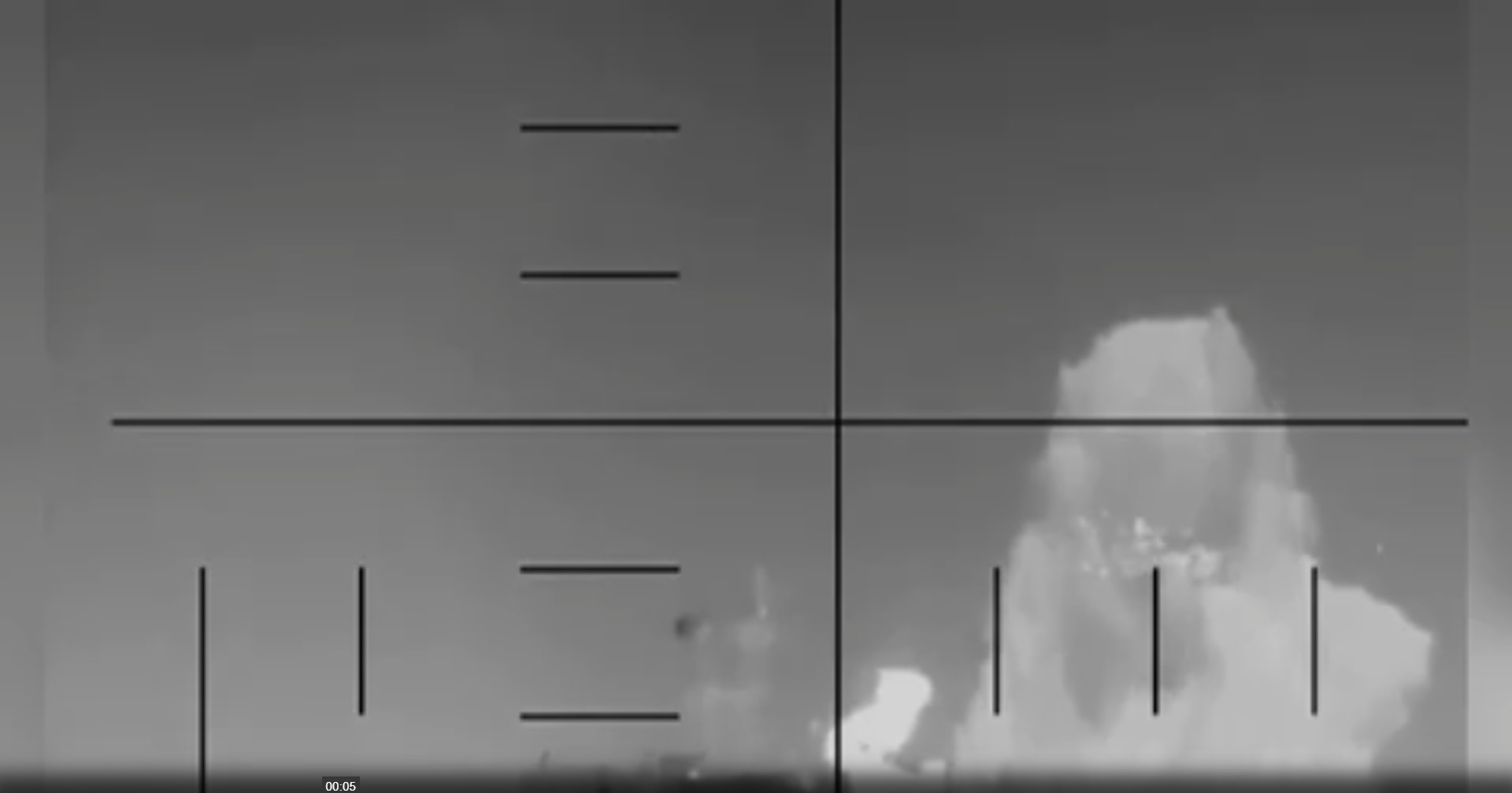

In a dramatic escalation of the ongoing conflict between the United States and Iran, an American submarine sank an Iranian warship in international waters, an action that Pentagon officials described as the first instance of a U.S. sub destroying an enemy vessel in combat since the end of World War II. The incident, involving the Iranian Navy frigate IRIS Dena, unfolded amid intensified U.S. and Israeli strikes on Iranian targets, underscoring the broadening scope of a war that has already drawn in regional powers and raised fears of a wider Middle East conflagration.
The sinking occurred on Wednesday, March 4, 2026, approximately 40 nautical miles south of Galle, Sri Lanka, in the Indian Ocean. According to U.S. Central Command (CENTCOM), the IRIS Dena was en route back to Iran after participating in international naval exercises in India when it was targeted by U.S. forces as part of Operation Epic Fury. Sri Lankan naval vessels responded to distress signals, rescuing more than two dozen crew members from the stricken ship, though the exact number of casualties remains unclear. Iranian state media condemned the attack as “an act of piracy in open seas,” vowing retaliation against American assets worldwide.
The Incident at Sea: A Tactical Strike Amid Rising Tensions
Details of the engagement emerged piecemeal from Pentagon briefings and international reports. Adm. Brad Cooper, commander of CENTCOM, addressed the operation in a video statement, confirming that U.S. submarines had inflicted critical damage on the Dena, including “a hole in its side” that led to its rapid sinking. “This action degrades Iran’s ability to project power beyond its shores and protects vital international shipping lanes,” Cooper said, emphasizing that the vessel posed a threat to allied forces in the region.
The Dena, a Moudge-class frigate equipped with anti-ship missiles and advanced radar systems, had been a symbol of Iran’s growing naval ambitions. Commissioned in 2021, it represented Tehran’s efforts to expand its influence in the Indian Ocean, often in coordination with allies like Russia and China. Sources familiar with U.S. intelligence assessments told reporters that the ship was monitored for days before the strike, with satellite imagery and submarine patrols confirming its movements. The decision to engage, these sources said, came after the vessel allegedly maneuvered aggressively toward a U.S. carrier strike group operating nearby.
Eyewitness accounts from Sri Lankan rescuers painted a chaotic scene. “We saw smoke rising from the horizon, and as we approached, debris was floating everywhere,” one naval officer recounted in a statement to local media. The survivors, pulled from the water in life rafts, included senior Iranian officers who were later handed over to diplomatic channels. Iran’s Foreign Ministry accused the U.S. of violating international maritime law, claiming the Dena was on a peaceful transit. However, U.S. officials countered that the ship was armed and had ignored warnings to alter course.
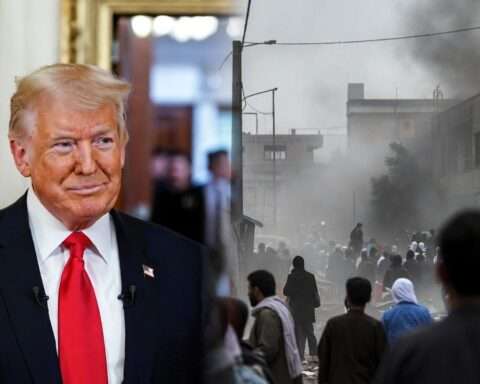
This strike is part of a broader U.S. campaign that has seen the destruction of at least 17 Iranian vessels since the war began. President Donald Trump, in a post on X, boasted that American forces had “destroyed and sunk 9 Iranian Naval Ships, some of them relatively large and important,” adding that Iran’s naval headquarters had been “largely destroyed” in separate airstrikes. The president’s statement, while celebratory, highlighted the aggressive posture of the administration, which has framed the conflict as a necessary response to Iranian aggression.
U.S. Submarine Sinks Iranian Warship, First Since WWII
The sinking of the IRIS Dena marks a historic milestone in naval warfare, being the first confirmed instance of a U.S. submarine sinking an enemy warship in combat since World War II. During that global conflict, American subs played a pivotal role in the Pacific theater, sinking hundreds of Japanese vessels and crippling Tokyo’s supply lines. The last such engagement was in 1945, when the USS Torsk torpedoed Japanese destroyers off the coast of Japan.
Historians and military analysts note that this event revives a tactic largely dormant in the post-Cold War era, where submarines have focused more on intelligence gathering and deterrence than direct combat. “This isn’t just about one ship; it’s a signal that the U.S. is willing to engage in asymmetric warfare at sea,” said Dr. Elena Vasquez, a naval expert at the RAND Corporation. “Iran’s navy, while formidable in the Persian Gulf, is outmatched in open waters, and this strike exploits that vulnerability.”
The operation underscores the technological edge of the U.S. Navy’s submarine fleet, which includes Virginia-class attack subs equipped with advanced torpedoes and stealth capabilities. Anonymous defense officials revealed that the attack involved a Mark 48 torpedo, a heavyweight weapon designed to penetrate hulls and cause catastrophic flooding. The choice of a submarine strike, rather than an airstrike, allowed for deniability and minimized the risk of immediate counterattacks, according to sources close to the planning.
Background of the Conflict: From Diplomatic Deadlock to Open War
The war erupted on February 28, 2026, when U.S. and Israeli forces launched coordinated strikes on Iranian nuclear facilities, missile sites, and military command centers. The attacks followed months of escalating tensions, including Iran’s missile strikes on U.S. bases in Iraq and threats to close the Strait of Hormuz, a chokepoint for global oil supplies. Negotiations in Geneva over Iran’s nuclear program had stalled, with Tehran demanding the lifting of sanctions and Washington insisting on verifiable dismantlement of enrichment capabilities.
President Trump’s administration, bolstered by a recent electoral victory, adopted a hardline stance. In January, Trump deployed an “armada” to the Middle East, including the aircraft carrier USS Abraham Lincoln and guided-missile destroyers. Iranian leaders, facing domestic protests, responded with bellicose rhetoric, vowing to “erase” Israel and target U.S. interests. The sinking of the Dena came on the fifth day of hostilities, as explosions rocked Tehran and Jerusalem, and Iran fired missiles at Bahrain, Kuwait, and Israel.
Regional allies have been drawn into the fray. Turkey reported intercepting an Iranian ballistic missile using NATO defenses, while Hezbollah in Lebanon exchanged fire with Israeli troops. The U.S. has surged additional assets, including two aircraft carriers and fighter jets, to bolster air defenses. An American official, speaking on condition of anonymity, described U.S. forces as “locked in air-defense battles,” fending off drone and missile attacks on bases in the region.
Iran’s naval strategy has suffered severe setbacks. CENTCOM reported sinking a Jamaran-class destroyer in Chabahar and damaging multiple vessels in the Strait of Hormuz. Iranian media acknowledged losses but claimed exaggerated U.S. casualties, including the downing of American drones. Experts warn that Tehran may resort to asymmetric tactics, such as mine-laying or swarming attacks with small boats, to compensate for its depleted fleet.
International Reactions and the Risk of Escalation
The international community has reacted with alarm. United Nations Secretary-General Antonio Guterres called for an immediate ceasefire, warning that the conflict could “spiral into a regional catastrophe.” China and Russia, Iran’s key allies, condemned the U.S. actions at the Security Council, with Beijing accusing Washington of “hegemonic bullying.” European leaders, caught between alliances, urged restraint while quietly bolstering defenses against potential refugee flows.
In Washington, the incident has fueled partisan debate. Democrats criticized the Trump administration for provoking an unnecessary war, with Senate Minority Leader Chuck Schumer demanding congressional oversight. “This is not a video game; lives are at stake,” Schumer said in a floor speech. Republicans, however, rallied behind the president, praising the strike as a decisive blow against terrorism.
Secretary of Defense Pete Hegseth defended the operation in a press briefing, stating that the Dena’s sinking was “justified and proportionate.” He highlighted the broader goals of degrading Iran’s military capabilities and preventing regime change from descending into chaos. “We can’t predict what comes next, but we’re prepared for all scenarios,” Hegseth said, echoing concerns raised by Chairman of the Joint Chiefs Gen. Dan Caine about the uncertainties of prolonged conflict.
Analysts like Peter Bergen, a CNN national security expert, cautioned against overconfidence. “Hitting Iran isn’t as easy as it sounds,” Bergen noted, pointing to the regime’s resilience and proxy networks. The war’s open-ended nature—initially aimed at nuclear sites but now encompassing naval assets—raises questions about exit strategies.
Humanitarian Toll and Future Prospects
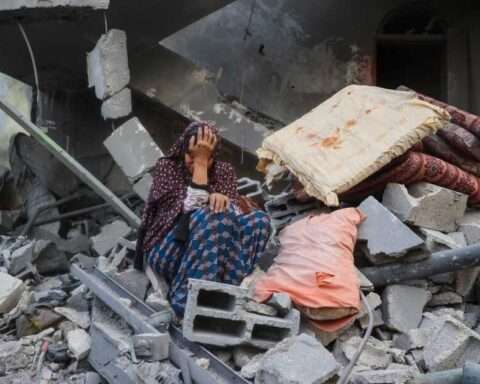
As the conflict grinds on, the human cost mounts. Reports from Tehran describe widespread blackouts and shortages, with strikes targeting power grids and infrastructure. In Iran’s Kurdistan region, residential areas in Sanandaj have been damaged by airstrikes, displacing thousands. Aid organizations warn of a looming humanitarian crisis, with potential famine if supply lines remain disrupted.
The sinking of the Dena may embolden hardliners in Tehran, potentially leading to attacks on shipping in the Indian Ocean or cyber operations against U.S. infrastructure. “This could extend the war’s theater far beyond the Middle East,” said Kim Dozier, a global affairs analyst. Meanwhile, U.S. forces remain on high alert, with submarines patrolling key waterways to enforce freedom of navigation.
In the corridors of power, whispers of backchannel talks persist, but optimism is scarce. As one State Department official put it, “We’re in uncharted waters—literally.”
This article draws on reporting from BBC, CNN, NBC, Fox News, The New York Times, and other media outlets, including Associated Press dispatches and transcripts from military briefings.
Focus keywords: US submarine sinks Iranian warship, Iran US conflict 2026, first since WWII, IRIS Dena sinking, Operation Epic Fury, US Iran naval confrontation, Middle East war escalation