
The Iran conflict has emerged as an unexpected boon for Russia’s war machine, delivering economic relief, military synergies, and strategic breathing room that sustain Moscow’s grinding campaign in Ukraine even as global attention shifts eastward. Far from a mere sideshow, the escalating clashes in the Persian Gulf have handed the Kremlin tools to offset sanctions, deepen alliances, and prolong its fight without immediate fiscal collapse.
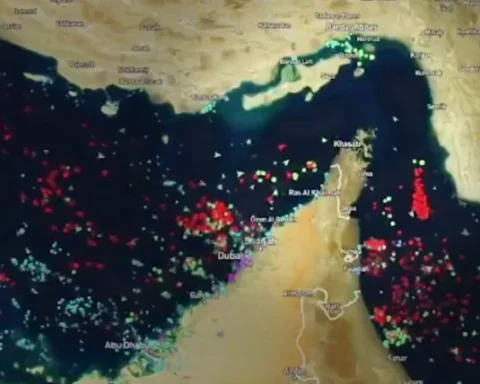
On March 27, 2026, as oil tankers idle outside the Strait of Hormuz and Western capitals debate the next phase of engagement with Tehran, U.S. and European officials are privately acknowledging what Kremlin strategists have long calculated: the conflict is reshaping the battlefield in ways that favor Russia. Intelligence assessments shared with allies, first reported by CNN national security correspondent Zachary Cohen, highlight how Tehran’s retaliatory strikes have not only spiked energy prices but also created openings for Moscow to evade isolation and reinforce its defense-industrial base.
The Oil Lifeline That Keeps the Tanks Rolling
At its most visible level, the disruption in the Gulf has sent Brent crude prices soaring past $100 a barrel, injecting billions into Russian state coffers at a critical moment. Oil and gas revenues, which typically fund about a quarter of Moscow’s federal budget, had been under pressure from Ukrainian drone strikes on refineries and a cooling global economy. Now, the near-closure of the world’s most important energy chokepoint has flipped the script. Analysts at the Center for Strategic and International Studies estimate Russia could pocket an additional $6 billion to $10 billion in extra fossil fuel earnings in the conflict’s first weeks alone, money that directly bankrolls ammunition production, soldier bonuses, and the relentless artillery barrages that define the war in Donbas.
Yet the benefits extend well beyond crude barrels. With shipping lanes contested, buyers in Asia and even parts of Europe have quietly turned to Russian supplies under temporary U.S. waivers designed to prevent broader market panic. The Trump administration’s decision to ease sanctions enforcement on Russian oil exports, framed as a short-term stabilizer, has effectively given Moscow a financial off-ramp. European Commission figures show a projected €3 billion rise in fossil fuel import costs for the bloc, part of which flows back to Russian exporters through shadow networks refined over years of evasion.
The Iran Conflict Is a Boon for Russia’s War Machine – And It’s Not Just About Oil
What sets this moment apart is the deeper, less headline-grabbing architecture of cooperation between Moscow and Tehran. For years, the two sanctioned powers have traded blueprints, components, and expertise in a sanctions-busting ecosystem that now pays dividends on multiple fronts. Iranian-designed Shahed drones, once shipped by the thousands to Russia for use over Ukraine, have evolved into a joint production line inside Russian factories. In return, Moscow has shared intelligence on U.S. targeting data and advanced drone tactics honed in the skies above Kyiv, according to Western officials cited in recent CNN reporting. This exchange has not only sustained Russia’s ability to overwhelm Ukrainian air defenses at low cost but also given Iranian forces practical lessons that complicate American and Israeli operations in the Gulf.
The partnership runs through intricate supply chains that skirt export controls. Russian and Iranian intermediaries use third-country brokers, cryptocurrency, and ghost companies to procure Western semiconductors, engines, and navigation systems—parts that keep both nations’ drone fleets flying. A network once centered on smuggling Shahed components has matured into a self-reinforcing loop, with Russia now reportedly supplying modified drones back to Iran. Defense experts note that this mutual dependence insulates each regime from the full weight of Western sanctions, turning what began as transactional arms deals into a resilient parallel defense economy.
Sanctions Evasion and the Hidden Economic Multiplier
Beyond the battlefield, the conflict has supercharged efforts to circumvent financial restrictions. Russian energy firms, facing their own shadow fleet vulnerabilities, have found new routes and partners through Iranian networks refined over four decades of isolation. The result is a more robust system for moving not just oil but dual-use technologies—everything from machine tools for missile assembly to fertilizers that indirectly free up budget resources for military spending. One European intelligence assessment, relayed through BBC channels, describes the arrangement as an “axis of evasion” that has grown more sophisticated since the full-scale invasion of Ukraine in 2022.
This economic resilience matters because Russia’s war machine was showing signs of strain before the Gulf erupted. Budget deficits loomed, recruitment drives faltered amid high casualties, and export revenues dipped. The sudden windfall has delayed painful choices—postponing fiscal tightening until at least 2027, according to Russian economic forecasts cited by Reuters. Kremlin television hosts have openly celebrated the development, framing it as proof that Western adventurism inadvertently strengthens Russia’s hand.
Distraction and the Calculus of Prolonged Conflict
The strategic dividend may be even more significant than the financial one. With Washington and its allies pouring resources into the Middle East—carrier groups repositioned, munitions stocks depleted, and diplomatic bandwidth consumed—pressure on Ukraine has eased in subtle but measurable ways. Ukrainian President Volodymyr Zelensky has warned that the diversion risks slowing critical aid flows precisely as Russia prepares spring offensives. Think-tank analyses from the Foreign Policy Research Institute and others suggest Moscow views the timing as validation of its “strategic patience,” betting that Western attention spans are finite while its own resolve is not.
Intelligence sharing has added another layer. Russian advisers have reportedly passed targeting data on U.S. assets in the region, a tit-for-tat response to American support for Ukraine. NBC and Fox News reports detail how this cooperation, once limited to drone technology, now includes tactical advice drawn from Russia’s experience evading Patriot systems and electronic warfare. The exchange keeps Iranian capabilities alive longer than expected, further tying down American forces and buying Russia time to regroup.
Gulf Arab states, caught in the crossfire, have also adjusted. Some have quietly increased discreet purchases of Russian energy or even non-lethal military gear, wary of over-reliance on Washington amid the chaos. This fragmentation of alliances plays directly into Moscow’s broader goal of eroding Western cohesion.
Risks and the Limits of a Windfall
None of this is without peril for the Kremlin. Prolonged instability could yet disrupt its own shadow shipping routes or trigger secondary sanctions if Congress pushes back hard on the oil waivers. Iranian regime collapse, however unlikely in the short term, would deprive Russia of a key partner in drones and missiles. Ukrainian strikes continue to target Russian energy infrastructure, reminding Moscow that its vulnerabilities remain real.
Still, the prevailing view among analysts across outlets is that the short-to-medium-term gains outweigh the risks. Higher revenues reduce the urgency for painful domestic reforms. Deeper military ties with Tehran create redundancy in supply lines. And the global distraction reinforces Putin’s narrative that Russia can outlast its adversaries through sheer endurance.
As the conflict grinds on, the question is whether the boon becomes structural. Russia has already floated expanded pipeline deals with China, leveraging the crisis to argue for overland energy routes immune to naval blockades. Fertilizer markets, too, have tightened, offering Moscow another revenue stream that indirectly subsidizes its defense budget. These shifts suggest the Iran conflict is not a fleeting gift but a catalyst accelerating trends already underway in the Kremlin’s wartime economy.
For now, the numbers tell a clear story: billions flowing in, alliances tightening, and attention diverted. In the quiet calculations of the Russian General Staff, the fires burning in the Strait of Hormuz are helping keep the lights on in the factories that feed the war in Ukraine.
This article is based on reporting from BBC, CNN, NBC, Fox News, New York Times and other media outlets.
Focus keywords: Iran conflict boon Russia war machine, Russia benefits from Iran war beyond oil, Russia Ukraine sanctions evasion Iran alliance, Russia oil revenues Iran conflict 2026, Russia Iran drone intelligence sharing