
Tesla, the electric vehicle pioneer, has announced it will scrap production of its flagship Model S sedan and Model X SUV to repurpose its Fremont factory for building humanoid robots, marking a dramatic pivot from traditional carmaking toward artificial intelligence and autonomy as the company grapples with slumping sales and profits.
As of January 30, 2026, the decision, revealed by Chief Executive Elon Musk during Tesla’s fourth-quarter 2025 earnings call, underscores the company’s evolving identity from an automaker to a leader in robotics and self-driving technology. Musk described the move as an “honorable discharge” for the aging models, which have been in production since 2012 and 2015, respectively, and now account for just 3 percent of global deliveries. The Fremont plant in California, Tesla’s first major manufacturing hub, will transition to producing Optimus robots, with ambitions to scale up to one million units annually.
The announcement comes amid a challenging period for Tesla, which reported a 16 percent drop in adjusted income for the quarter and a staggering 61 percent plunge in net income, capping a year of declines that saw annual profits fall 46 percent to levels just 30 percent of the 2022 peak. Vehicle sales volumes also hit record lows, with a year-over-year drop in the fourth quarter and the largest annual decline in the company’s history. Musk attributed the struggles to increased competition, particularly from Chinese rivals like BYD, which overtook Tesla as the world’s top EV seller in 2025, as well as backlash from Musk’s political activities and the elimination of U.S. tax credits for EVs.
Legacy Models Bow Out: The End of an Era for Tesla’s Pioneers
The Model S and Model X were instrumental in establishing Tesla as a disruptor in the automotive industry. Launched in 2012, the Model S revolutionized perceptions of electric vehicles with its sleek design, long range, and Ludicrous Mode acceleration, earning accolades like Motor Trend’s Car of the Year. The Model X followed in 2015, introducing falcon-wing doors and family-friendly features that expanded Tesla’s appeal beyond enthusiasts to mainstream buyers.
Over the years, these models underwent several updates, including refreshed interiors, improved batteries, and autonomous driving capabilities. However, sales have waned as Tesla’s focus shifted to more affordable offerings like the Model 3 and Model Y, which now dominate production. In 2025, combined deliveries of the Model S, Model X, and Cybertruck totaled around 50,850 units, a 40 percent decrease from the previous year, with the S and X likely comprising the bulk of that decline outside the Cybertruck’s nascent ramp-up.
Musk emphasized that Tesla would continue supporting existing owners, ensuring software updates and service for the vehicles “for as long as people have them.” Yet, the phase-out signals a strategic retreat from high-end, low-volume cars in favor of scalable, futuristic products. “It’s slightly sad, but it’s time to bring the S and X programs to an end,” Musk said on the call, framing the decision as essential for Tesla’s “overall shift to an autonomous future.”
Tesla Scraps Model S and Model X to Build Robots
In a move that almost repeats the essence of this shift, Tesla is scrapping the Model S and Model X to build robots, repurposing the Fremont factory lines for Optimus humanoid robots. Musk outlined plans to invest heavily in AI, robotaxis, and microprocessors, with the factory aiming to produce up to one million Optimus units per year once retooled. This transition will involve adding workers and ramping up overall production, potentially boosting employment at the site that was once a General Motors-Toyota joint venture.
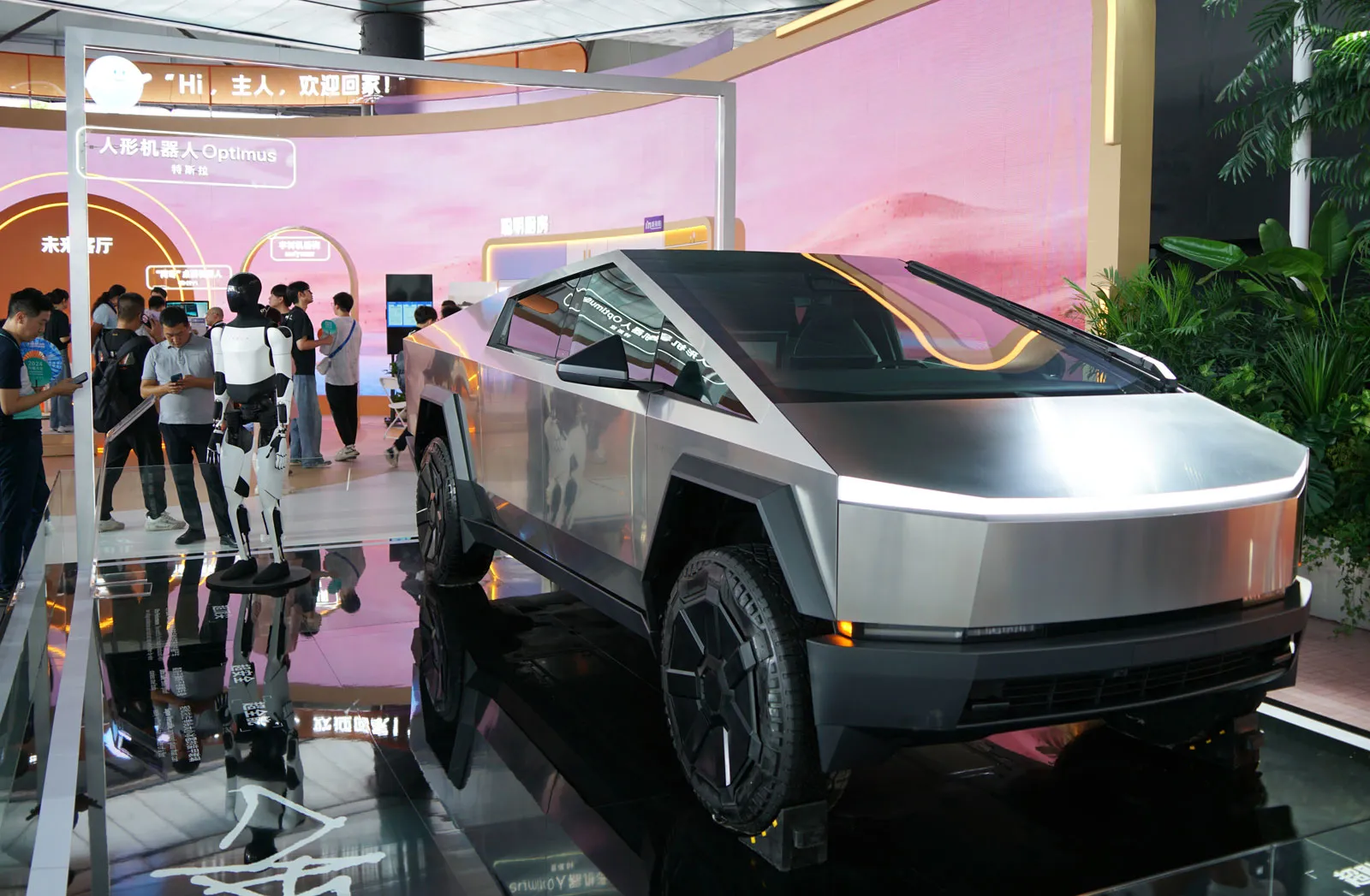
Optimus, Tesla’s humanoid robot initiative unveiled in 2021, represents Musk’s vision of AI companions capable of performing household tasks, factory work, and more. The third-generation version is in development, with Musk predicting widespread adoption that could eclipse EV sales. “The only vehicle we will make that’s not autonomous is the Roadster,” he quipped, referring to the long-delayed sports car he hopes to debut in April 2026.
The pivot aligns with Tesla’s broader strategy to become an AI and robotics powerhouse. During the earnings call, Musk disclosed a $2 billion investment in xAI, his separate AI venture that also owns the social media platform X, formerly Twitter. This cross-pollination of resources highlights Musk’s interconnected empire, where Tesla’s cash flow—still primarily from EVs—funds ambitious bets on autonomy.
Financial Pressures and Market Challenges Fuel the Transition
Tesla’s decision arrives against a backdrop of financial headwinds. The company’s 2025 earnings revealed a “fork in the road,” as Musk put it, with EV sales slumping due to economic pressures, regulatory changes, and consumer fatigue. In the U.S., the end of a $7,500 tax credit contributed to softer demand, while in Europe and America, some buyers cited backlash to Musk’s alignment with President Donald Trump and his vocal political stances.
Globally, competition intensified, especially in China—Tesla’s second-largest market—where local players like BYD offered cheaper alternatives. Tesla’s annual revenue fell for the first time, prompting cost-cutting measures, including workforce reductions and delayed product launches. Profits have declined in nine of the last 10 quarters, eroding investor confidence despite a stock surge to record highs in December 2025 on robotaxi hype.
Analysts view the Model S and X discontinuation as having minimal immediate sales impact, given their small share of deliveries. However, it frees up capacity and capital for high-growth areas. Tesla plans to expand its Cybercab robotaxi service to seven new markets in the first half of 2026, aiming to cover half the U.S. population by year’s end, pending regulatory approval. Musk boldly predicted that 25 to 50 percent of the U.S. would have access to fully autonomous vehicles by the end of 2026.
Industry Reactions: Skepticism and Optimism Collide
The announcement elicited mixed responses from industry watchers. Supporters hail it as a visionary leap, positioning Tesla at the forefront of a robotics revolution that could dwarf its EV legacy. “We’re making big investments for an epic future,” Musk asserted, emphasizing strategic sense in autonomy and AI.
Critics, however, question the feasibility. Optimus remains in early stages, with no clear timeline for mass deployment beyond Musk’s goal of starting scaled production by late 2026 and sales in 2027. Skeptics point to past overpromises, like Full Self-Driving capabilities that have faced regulatory scrutiny and delays. “Sure, Jan,” quipped one commentator, reflecting doubts about execution.
Automotive experts note that killing the S and X could alienate premium buyers, leaving a gap in Tesla’s lineup until new models emerge. Competitors like Lucid and Rivian may capitalize on this, offering high-end EVs to fill the void. Environmental advocates worry the shift might slow EV adoption, though Musk insists Tesla’s core lineup—Model 3, Y, and Cybertruck—will sustain growth, supplemented by solar and energy storage.
Wall Street’s reaction was tempered: shares rose slightly in after-hours trading, buoyed by robotaxi expansion plans but tempered by profit misses. Analysts from firms like Wedbush and Piper Sandler praised the long-term vision but urged caution on near-term execution risks, including geopolitical tensions affecting chip supplies. Tesla plans to build its own microprocessors to mitigate such threats.
Broader Implications for the Auto and Tech Sectors
Tesla’s pivot could reshape the automotive landscape, blurring lines between carmakers and tech giants. By betting on robots, Musk aims to create new revenue streams—potentially licensing Optimus for factories, homes, or services—while advancing autonomy. This echoes his earlier disruptions, from mainstreaming EVs to challenging space travel with SpaceX.
Yet, challenges abound. Regulatory hurdles for robotaxis remain, with safety concerns after incidents involving Tesla’s Autopilot. Labor unions and ethicists raise questions about humanoid robots displacing jobs, while environmentalists scrutinize the energy demands of AI data centers. Tesla’s $2 billion xAI investment also invites scrutiny over conflicts of interest in Musk’s portfolio.
In California, the Fremont factory’s transformation could boost local economy through added jobs, but it also highlights Tesla’s history of labor disputes and production bottlenecks. Musk’s comments on repurposing the plant for “an epic future” suggest optimism, but history shows such transitions can be turbulent.
As Tesla navigates this crossroads, its success hinges on delivering on promises. The Model S and X’s retirement closes a chapter, but whether robots propel the next remains uncertain. For now, the company urges interested buyers to order soon, as production winds down next quarter.
This article is based on reports from BBC, CNN, NBC News, Fox News, The New York Times, and other media outlets.
Focus keywords: Tesla Model S discontinued, Tesla Model X scrapped, Tesla builds Optimus robots, Tesla Fremont factory robots, Elon Musk Tesla earnings, Tesla pivots to AI robotics, Tesla ends Model S X production, Tesla humanoid robots 2026.