
Kilmar Abrego Garcia, a Maryland father of three, was mistakenly deported to El Salvador, and in a tense federal hearing, the Justice Department failed to disclose his whereabouts, leaving his family and advocates in limbo.
The case, a stark example of immigration enforcement errors, has sparked outrage and legal battles, with courts demanding answers and the Trump administration struggling to comply. This article explores the circumstances of Abrego Garcia’s deportation, the fraught legal proceedings, and the uncertain path ahead for his return.
The ordeal began in March 2025, culminating in a pivotal hearing on April 12, 2025, before U.S. District Judge Paula Xinis in Greenbelt, Maryland.
Abrego Garcia, a Salvadoran immigrant with legal work status, was swept up in a deportation operation despite a court order protecting him from removal to El Salvador, where he faces gang violence.
The Supreme Court’s recent ruling upheld the need to “facilitate” his return, but the Justice Department’s evasiveness has deepened fears about his safety and the government’s accountability.
A Life Uprooted by Error
Kilmar Abrego Garcia, 29, had built a stable life in Prince George’s County, Maryland. A sheet metal apprentice, he lived with his American wife, Jennifer Vasquez Sura, and their three children, contributing to his community while pursuing a journeyman license.
His legal status stemmed from a 2019 immigration judge’s ruling, which granted him protection from deportation to El Salvador due to credible threats of gang persecution. That ruling, however, failed to shield him from what the government later called an “administrative error.”
On March 12, 2025, Immigration and Customs Enforcement (ICE) agents detained Abrego Garcia, alleging ties to the MS-13 gang—claims a Baltimore immigration judge had previously dismissed as unsubstantiated.
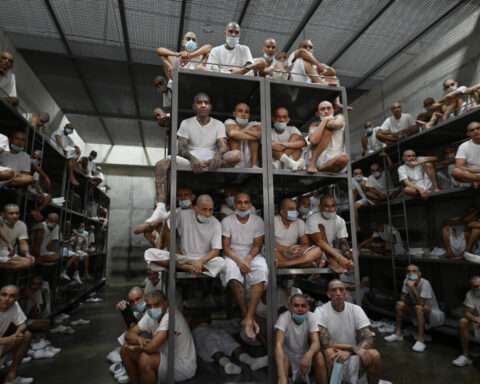
Three days later, he was deported on a flight carrying over 200 immigrants, landing in El Salvador’s notorious CECOT prison, known for housing gang members and political prisoners. His family, unaware of his fate for weeks, learned he was imprisoned in a facility where communication is severely restricted.
The Legal Battle Intensifies
The deportation violated a standing court order, prompting swift action from Abrego Garcia’s legal team, led by attorney Simon Sandoval-Moshenberg of the Legal Aid Justice Center. They filed a habeas corpus petition, arguing that his removal was illegal and endangered his life.
Judge Xinis, known for her meticulous oversight, condemned the government’s actions, writing that sending Abrego Garcia to El Salvador was “wholly illegal from the moment it happened.”
The case escalated to the Supreme Court, which on April 10, 2025, unanimously upheld Xinis’s order to “facilitate” Abrego Garcia’s return, rejecting the Trump administration’s appeal to delay action.
However, the court noted ambiguity in the term “effectuate,” suggesting it might overstep judicial authority in foreign affairs. This nuance handed the administration a partial reprieve, allowing it to argue that compliance required more time, even as Xinis demanded immediate answers.
A Tense Hearing: DOJ’s Silence Sparks Outrage
In a courtroom packed with advocates and reporters, the April 12 hearing laid bare the government’s disarray. Judge Xinis pressed Deputy Assistant Attorney General Drew Ensign for basic details: Where was Abrego Garcia? Who held him? What steps had been taken to secure his release? Ensign’s responses were vague, admitting he lacked “personal knowledge” of Abrego Garcia’s status or location. “I’m not asking for state secrets,” Xinis retorted, her frustration echoing the fears of Abrego Garcia’s family.
Sandoval-Moshenberg called the government’s stance “terrifying,” accusing it of playing games with a man’s life. He highlighted Ensign’s inability to confirm whether Abrego Garcia remained in CECOT or had been moved, raising concerns about his safety in a prison known for harsh conditions. Xinis ordered daily updates from the Justice Department, starting immediately, to track efforts to bring him back. Yet, with no clear timeline, the directive left advocates skeptical of swift resolution.
A Family’s Anguish and a Community’s Fight
Jennifer Vasquez Sura has become a public face of the crisis, rallying supporters at news conferences and outside the courthouse. “This is an emotional rollercoaster,” she said, describing sleepless nights and her children’s confusion over their father’s absence. Unable to speak with Abrego Garcia since his deportation, she clings to hope that legal pressure will reunite them. “I just want him home, safe, with us,” she told reporters, her voice breaking.
Community groups, including CASA, a Maryland-based immigrant advocacy organization, have amplified her cause, framing Abrego Garcia’s case as emblematic of broader enforcement failures. Maryland lawmakers, including Representative Jamie Raskin, have warned that unchecked deportations risk eroding due process. “If they can do this to Kilmar, they can do it to anyone,” Raskin said, urgin bg congressional oversight of ICE’s actions.
The Government’s Defense and Its Limits
The Trump administration has defended its immigration policies as necessary to protect national security, with officials alleging Abrego Garcia’s gang ties justified his detention. Yet, the Justice Department’s own filings admit his deportation to El Salvador was a mistake, violating the 2019 order. In court, it argued that retrieving him from Salvadoran custody involves complex diplomatic negotiations, constrained by El Salvador’s sovereignty and U.S. foreign policy limits.
Critics see this as deflection. Legal experts note that the administration’s failure to provide even basic information undermines its credibility. Jonathan Turley, a George Washington University law professor, suggested that while the district court could hold the government in contempt for non-compliance, enforcing such a ruling across borders is fraught. “The executive’s authority in foreign affairs gives them leverage,” he said, “but stonewalling a federal judge invites escalation.”
What Happens Next: A Murky Path Forward
The immediate future hinges on the Justice Department’s daily updates, which Xinis will scrutinize for signs of progress. Advocates hope these reports will clarify Abrego Garcia’s location and condition, but skepticism persists. El Salvador’s government, led by President Nayib Bukele, has prioritized its anti-gang crackdown, often resisting external pressure. Negotiating Abrego Garcia’s release could require high-level U.S. intervention, a prospect complicated by strained bilateral relations.
Abrego Garcia’s legal team plans to press for contempt sanctions if the government fails to act in good faith. Such a move could intensify the clash between the judiciary and the executive, testing the limits of federal court power. Meanwhile, his family faces agonizing uncertainty, with no guarantee of when—or if—he will return. “We’re fighting for Kilmar and all the Kilmars out there,” Vasquez Sura said, vowing to continue her advocacy.
Broader Implications for Immigration Policy
The case has reignited debates over Trump’s immigration agenda, which emphasizes rapid deportations to deter illegal crossings. Supporters argue that tough enforcement protects communities, pointing to gang violence as a real threat. Opponents counter that cases like Abrego Garcia’s expose systemic flaws—rushed detentions, inadequate oversight, and disregard for court orders—that harm lawful residents and erode trust.
Data from the Transactional Records Access Clearinghouse shows that ICE errors in deportation cases, while rare, have risen since 2021, often affecting individuals with legal protections. Abrego Garcia’s ordeal underscores the human cost of such mistakes, particularly when deportees face danger abroad. Policy experts urge reforms, including better training for ICE agents and stricter adherence to judicial rulings, to prevent similar crises.
A Test of Accountability
As the legal saga unfolds, Abrego Garcia’s fate remains a flashpoint. For his family, it’s a personal nightmare, compounded by the government’s opacity. For the courts, it’s a test of their ability to hold the executive accountable. For the nation, it’s a window into the complexities of immigration enforcement, where errors can shatter lives with little recourse.
The coming weeks will reveal whether the Justice Department complies with Xinis’s orders or doubles down on its vague defenses. Advocates are preparing for a protracted fight, aware that Abrego Garcia’s return could set a precedent for others wrongfully deported. His case, though singular, carries weighty questions about justice, due process, and the balance of power in a polarized era.
This article draws on reporting and analysis from the BBC, CNN, NBC, Fox News, The New York Times, and other media outlets.
Focus Keywords: Kilmar Abrego Garcia, wrongful deportation, Trump administration, Justice Department, federal judge, El Salvador prison, immigration error, Supreme Court ruling