Republicans now hold a narrow majority in the U.S. House of Representatives, the first time they have controlled the chamber in four

Republicans now hold a narrow majority in the U.S. House of Representatives, the first time they have controlled the chamber in four

Biden’s emerging foreign policy signals a return to the post–World War II tradition. But it will be a long time before the U.S. can lead by the power of its example.
More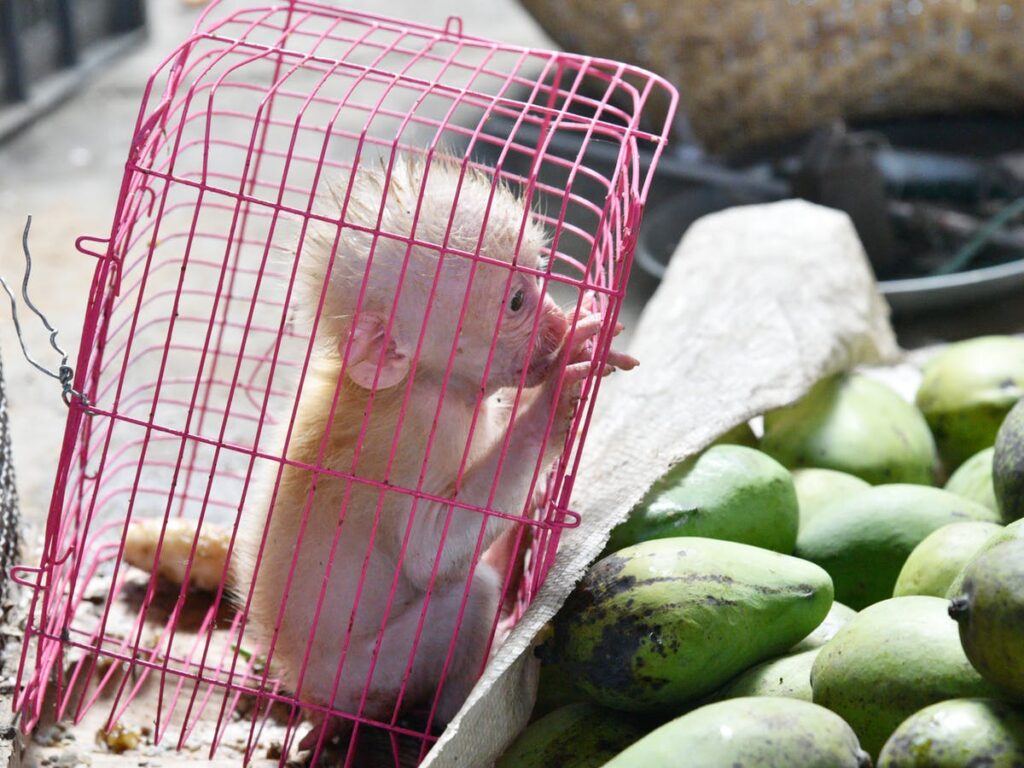
Dealing with pandemics cannot rest merely on mitigation. It must focus on deep prevention and synchronization with other policy objectives such as halting global warming. It must address all sources and vectors of zoonoses: legal trade in wildlife, poaching and wildlife trafficking, and habitat destruction.
More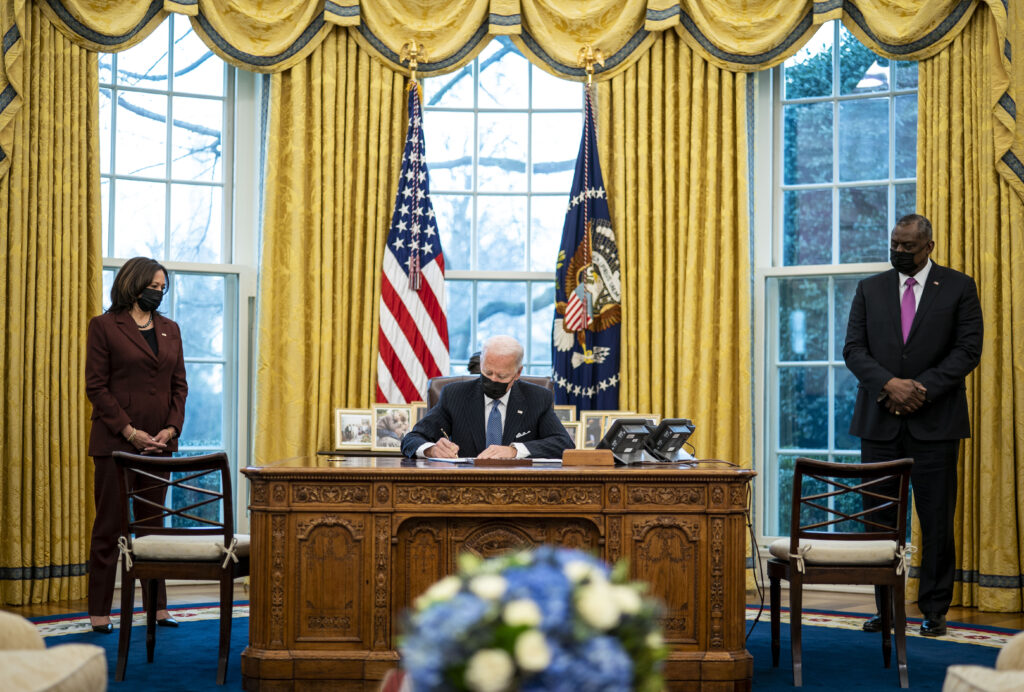
Just hours after his inauguration, President Joe Biden set in motion a series of executive actions that will shape his regulatory agenda.
More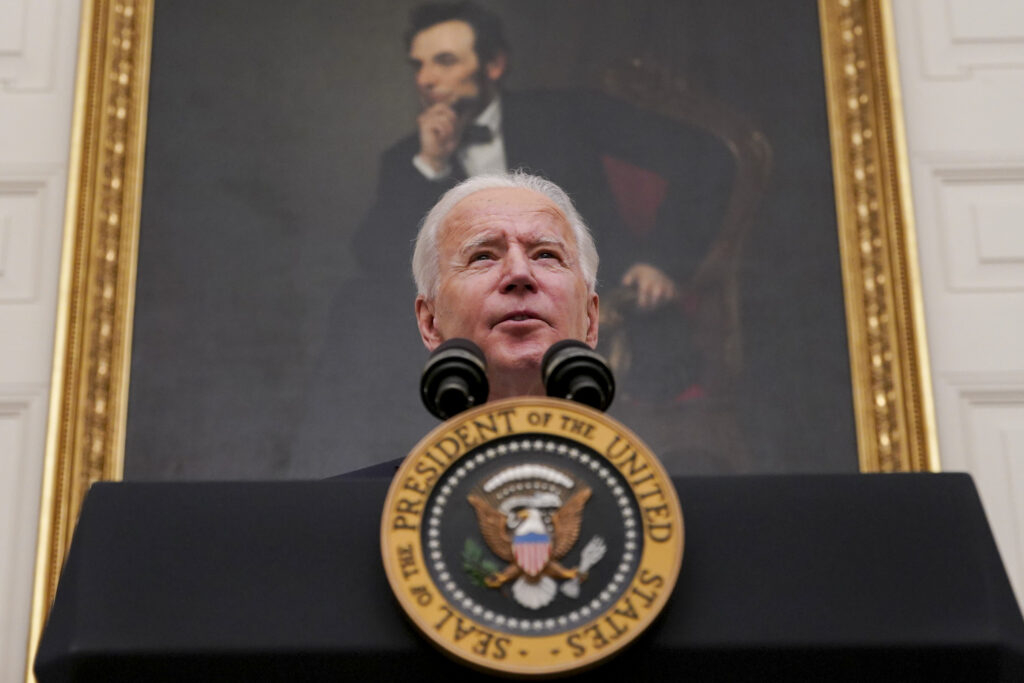
President Joe Biden has committed to restoring American leadership globally. With the insurrection at the U.S. Capitol on January 6, this task became immensely more challenging.
More
Joe Biden is stepping into his role as the nation’s 46th president with a contentious political environment and a deeply divided electorate. Some of Biden’s detractors point to his razor-thin wins over Donald Trump in several battleground states as evidence that his November victory was far from dominant, despite the fact that Biden won the
More
Although the level of digitization in the German construction industry has remained the same as in the previous year at 52 out of a possible 100 points, digital successes are visible.
More
On Sept. 25, 2020, the Congressional Study Group on Foreign Relations and National Security convened online to discuss the issue of transparency as it relates to war powers.
More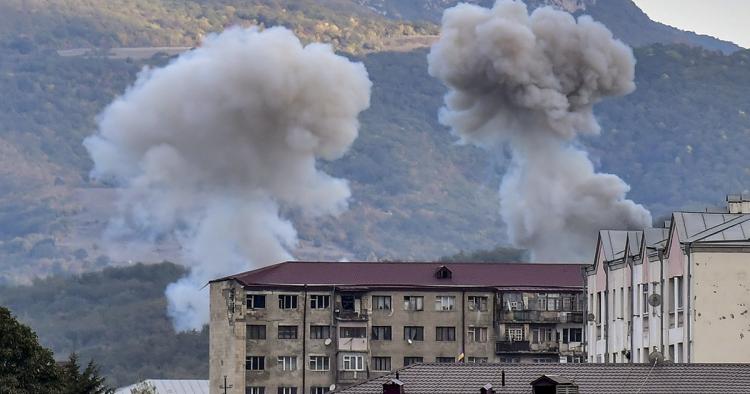
The outcome of the military conflict in Upper Karabakh between Azerbaijan and Armenia transformed the geopolitical reality in the South Caucasus, with implications for the wider Black Sea-Caspian region. The war demonstrated that power politics is alive and well, and that with great power consent (in this case Russia and Turkey), smaller actors like Azerbaijan
More