
With more than 15 years of experience and a steadily expanding regional infrastructure, GMC Motors has positioned itself as a key player in modernizing Georgia’s agricultural sector. By integrating advanced technologies into everyday farming practices and building a strong network of service centers, technical teams and regional hubs, it has earned the trust of farmers across the country.
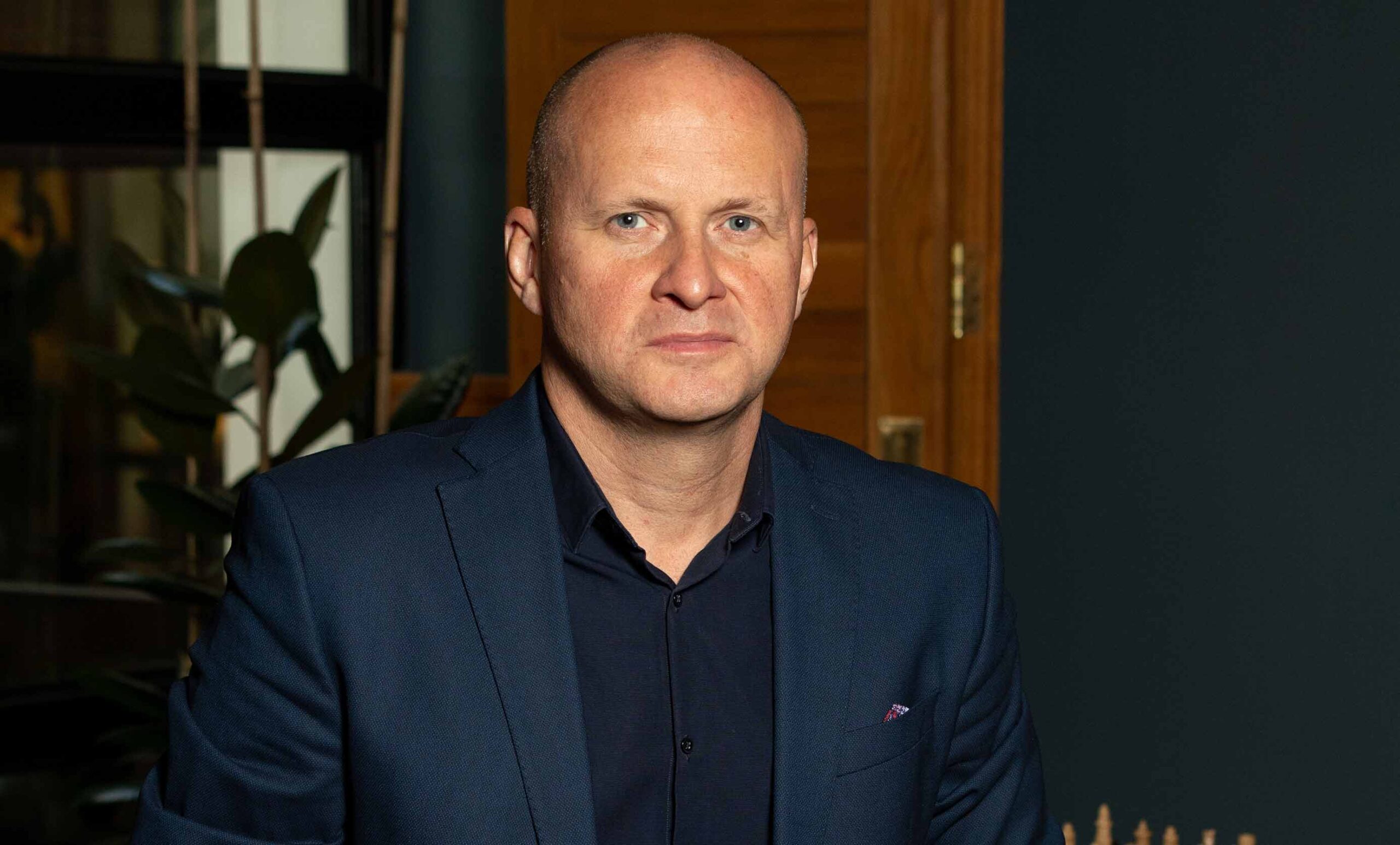
This recognition has recently been further reinforced by the company’s Golden Brand victory. Enriko Iakobashvili, the Founder and General Director of GMC Motors, discusses the evolution of the sector, the growing role of technology, and its vision for the future.
Q. What does winning the Golden Brand award represent for your company?
A. The Golden Brand victory is symbolic – less for us and more for the Georgian farmers whose trust made it possible. From the very beginning, we have focused on making modern agricultural technologies a daily reality rather than just a slogan. This means building real infrastructure: branches, service centers, technical teams and regional support systems.
This recognition affirms what 15 years of consistent work has already proven that the right approach speaks for itself in the long run.
Our experience has taught us that trust is not built through specifications alone. What brings a customer to us and what keeps them with us are two entirely different things and we have always invested in both. That means being present when a farmer faces a tight harvest window, when a machine needs an urgent part, when the stakes are highest.
This award belongs as much to our customers as to us. It is a reflection of every conversation, every service call, and every commitment we have honored over the years.
Q. How has the Georgian farmer evolved in recent years?
A. Today’s Georgian farmer is more informed, more efficiency-driven and increasingly focused on long-term investment. This shift clearly indicates that the sector is moving forward.
Modern agricultural machinery plays a crucial role in this transformation. New-generation tractors, combines and equipment help reduce labor costs, improve precision and ensure timely seasonal operations. As a result, farmers achieve higher yields and better economic outcomes.
Q. What criteria guide your choice of international partners?
A. When selecting partners, we prioritize technological innovation, product quality, reliability and global market experience. We collaborate with companies that continuously develop practical, efficient solutions for farmers.
Before introducing any brand to the Georgian market, we ask a key question: does this equipment work for Georgian farmers? That means it must be adapted to local climatic conditions, supported by accessible spare parts and backed by reliable technical service.
A strong example is LOVOL, a global brand we have successfully introduced with products tailored to local needs. Our participation in international forums, including those in China, reflects this strategic approach.
Q. What are the main priorities for farmers when choosing machinery today?
A. Farmers today are far more technologically oriented. While power used to be the main criterion, the focus has shifted to efficiency, cost-effectiveness and multifunctionality.
They are looking for machinery that ensures faster operations, lower fuel consumption and high-quality results. This shift reflects the rise of professional farming. In response, we provide not only machinery but also spare parts warehouses, technical consultations and seasonal support – these are not additional services, but integral parts of our core offering.
Q. What technological trends are shaping modern agricultural machinery?
A. Advanced technologies are now widely used to help farmers manage operations more efficiently. While experience was once the primary tool for precision, today it is complemented by technology.
Modern tractors feature fuel efficiency and automated control systems. There is also significant progress in soil cultivation, seeding and harvesting technologies. The evolution of hydraulic systems is particularly important – tractors that can operate multiple attachments simultaneously reduce the risk of delays during critical seasonal work.
In agriculture, time is a form of currency. Late sowing or delayed harvesting leads to financial losses and technology plays a key role in minimizing these risks.
Q. What are the main challenges in the sector today?
A. One of the key challenges is improving access to modern technologies and helping farmers choose the right equipment. We actively address this by offering consultations, technical support and services that ensure proper usage.
Expanding service centers in the regions is also essential, as it enables faster and more efficient support for farmers.
Q. Why did you decide to open a new regional center in Gurjaani?
A. Kakheti is one of Georgia’s most important agricultural regions, with strong development in viticulture, grain production and other sectors. Opening a regional center in Gurjaani allows us to be closer to farmers and deliver equipment and services more quickly and efficiently.
Q. What will the new center offer to farmers?
A. Once fully completed, the center will provide a full range of services in one space. It will include a machinery showroom, a service center, a spare parts warehouse and technical consultations.
Our goal is to create an environment where farmers can access everything they need in one place. This model reflects our standard approach – we do not simply sell machinery; we provide a complete service cycle.
Q. How important are regional centers for farmers?
A. Regional centers are critical because time plays a decisive role in agriculture. When machinery requires servicing or spare parts, fast response is essential, especially during seasonal work.
Developing regional infrastructure significantly improves both access to equipment and the quality of service. It is, ultimately, an investment in the stability of farmers.
Q. What broader impact does regional infrastructure development have?
A. Expanding infrastructure in the regions is a key part of our strategy. Bringing equipment and services closer to farmers increases their operational efficiency.
At the same time, regional centers create jobs and stimulate local economic activity. The new center in Kakheti will contribute to employment, economic growth and, most importantly, the technical competence of farmers.
Q. What are your main goals for the coming years?
A. Our primary goal is to further expand access to modern agricultural machinery in Georgia and strengthen our service infrastructure across the regions.
We aim to remain a trusted partner for farmers and to actively contribute to the modernization of Georgia’s agricultural sector. By introducing advanced technologies and providing professional support, we help farmers build more efficient and competitive operations.