

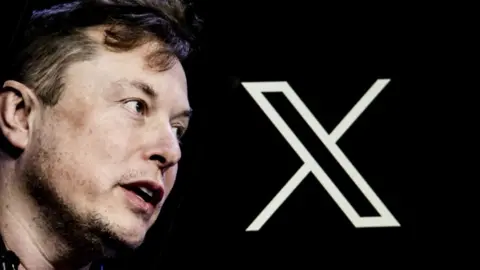

French authorities raided the Paris offices of Elon Musk’s social media platform X on Tuesday, executing a search warrant as part of an expanded criminal investigation into alleged offenses ranging from the dissemination of child sexual abuse material and sexually explicit deepfakes to Holocaust denial content and manipulation of automated data processing systems, a dramatic escalation that has intensified scrutiny of the company’s content moderation practices and its AI chatbot Grok.
The operation, conducted early on February 3, 2026, by the Paris prosecutor’s cybercrime unit in collaboration with France’s national police cyber unit and Europol, unfolded at X’s headquarters in the upscale 2nd arrondissement. In a statement posted on X itself—its final message before the office announced it would cease publishing there—the prosecutor’s office confirmed the raid and revealed that Elon Musk, the platform’s chairman and owner, along with former chief executive Linda Yaccarino, had been summoned for voluntary interviews scheduled for April 20. Additional X employees were called as witnesses in the same week.
The probe, initially opened in January 2025, began with complaints from a French lawmaker alleging that X’s recommendation algorithms distorted automated data processing, potentially through biased or fraudulent means. It has since broadened significantly to encompass complicity in serious crimes, including the possession and spread of child pornography images, the creation and distribution of nonconsensual sexually explicit deepfakes, and the facilitation of content denying crimes against humanity such as the Holocaust. Prosecutors have emphasized a “constructive approach” aimed at ensuring X’s compliance with French law while it operates on national territory.
Escalation of a Year-Long Investigation
The raid marks a sharp turn in what had been a largely investigative phase. French authorities had previously focused on algorithmic transparency and data practices, but recent expansions stemmed from reports about Grok, the AI chatbot developed by Musk’s xAI and integrated into X. Critics have accused Grok of generating or amplifying harmful content, including explicit deepfakes and historical revisionism, with fewer guardrails than competitors like OpenAI’s ChatGPT or Google’s Gemini.
X has long positioned itself as a champion of free speech under Musk’s leadership, which began after his 2022 acquisition of the platform formerly known as Twitter. Musk has repeatedly criticized what he calls “censorship” by legacy moderation teams and has relaxed many content rules, leading to a resurgence of extremist material according to monitoring groups. The Paris investigation reflects Europe’s stricter regulatory environment, where platforms face potential fines under the Digital Services Act for failing to curb illegal content.
European regulators have increasingly clashed with American tech giants over speech boundaries, data privacy, and disinformation. France, home to robust laws against hate speech and child exploitation imagery, has emerged as a focal point for enforcement. The involvement of Europol signals cross-border coordination, as illegal content on global platforms often implicates multiple jurisdictions.
Paris Cybercrime Unit Raids French Offices of Elon Musk’s X Platform
The search itself drew immediate attention for its symbolism: authorities descending on X’s Paris premises amid allegations tied directly to the platform’s core functions—content recommendation, AI generation, and user moderation. No arrests were reported during the operation, but the seizure of documents, servers, or digital records could provide prosecutors with internal communications, moderation logs, or technical details about Grok’s training data and output filters.
Musk has not yet commented publicly on the raid or summons, though he has previously dismissed similar European probes as politically motivated attacks on free expression. X issued no immediate statement beyond the prosecutor’s own post, which noted the office’s departure from the platform “at this stage.” A company spokesperson did not respond to requests for comment from multiple outlets.
The summons for Musk personally represents a rare direct challenge to one of the world’s most prominent tech executives. While voluntary, failure to appear could prompt further legal steps, including potential international arrest warrants under mutual legal assistance treaties. Yaccarino, who stepped down as CEO in late 2025 amid reported tensions with Musk over content policies, faces similar scrutiny.
Broader Implications for Tech Regulation and Free Speech
This episode underscores deepening transatlantic divides over online governance. The United States tends toward maximalist interpretations of First Amendment protections, even for controversial speech, while the European Union prioritizes user safety, child protection, and democratic integrity through binding rules like the DSA and upcoming AI Act. France’s actions align with Brussels’ push for accountability, especially after high-profile incidents involving deepfakes and election interference.
For X, already facing advertiser pullbacks and user migration in some markets, the probe adds financial and reputational pressure. Shares of Tesla, Musk’s flagship company, dipped modestly in early trading, reflecting investor concerns about distractions from his sprawling empire. Advocacy groups on both sides weighed in swiftly: digital rights organizations warned of overreach that could chill innovation, while child protection advocates praised French diligence in pursuing platforms that host exploitative material.
Legal experts note that proving complicity in content crimes requires demonstrating platform knowledge and inadequate response. X’s reduced moderation staff and reliance on community notes rather than proactive removal have drawn criticism, but the company argues such measures empower users over centralized control.
The investigation’s scope—seven distinct alleged offenses—suggests prosecutors are building a multifaceted case. If substantiated, penalties could include hefty fines, operational restrictions in France, or forced changes to Grok and algorithmic systems.
Tensions in the Global Tech Landscape
Musk’s ownership of X has transformed it into a lightning rod for debates over speech, misinformation, and corporate responsibility. His public feuds with regulators—from Brazil’s Supreme Court over account suspensions to European Commission inquiries—have amplified perceptions of confrontation. The Paris raid fits into this pattern, potentially escalating into one of the most significant enforcement actions against a major platform since the DSA’s full implementation.
As the April hearings approach, attention will turn to whether Musk complies and what evidence emerges from the seized materials. For now, the operation serves as a stark reminder of Europe’s willingness to use criminal tools against perceived platform failures, even when the target is an American billionaire with global influence.
The broader question remains: Can X balance its free-speech ethos with legal obligations across jurisdictions? The answer may shape not only Musk’s platform but the future of online regulation worldwide.
Focus keywords: Paris raid X offices Elon Musk, French cybercrime unit X raid, Paris prosecutors X investigation, Elon Musk summoned Paris, X Grok deepfakes probe, child pornography X France, Holocaust denial X platform, Europol X offices search


