
Market Tensions Could Push Condom Makers to Raise Prices
A global manufacturer of condoms is warning that rising costs and disruptions caused by the conflict in Iran could soon push retail prices higher, marking a fresh front in the ripple effects of Middle East instability on global consumer goods.
April 24, 2026 — As fighting intensifies across the Gulf and Iran’s oil exports falter, multinational companies are confronting steep increases in the cost of raw latex, energy, shipping, and packaging materials. Industry analysts say these pressures, though secondary to the human cost of the conflict, could dent consumer spending and threaten already fragile supply chains in Southeast Asia, where most condom production is concentrated.
A Conflict Far From the Bedroom, But Felt Within It
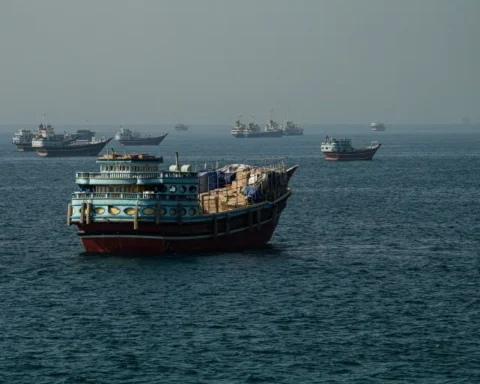
Iran’s confrontation with several Western powers has disrupted shipping lanes in the Strait of Hormuz, throttling a key maritime artery that ferries petroleum products used in manufacturing synthetic lubricants and packaging films.
Latex producers in Malaysia and Thailand, which supply more than half the world’s condom material, are paying sharply higher fuel prices to power their factories. That, in turn, is squeezing companies like Malaysia’s Karex and Britain’s Reckitt — the maker of Durex — forcing them to consider price increases by midyear.
“Raw material costs and logistics disruptions are unavoidable consequences of war,” said an executive at a major prophylactic manufacturer, speaking on condition of anonymity because details of pricing deliberations remain private. “If energy prices continue to surge, consumers will see the effect.”
Condom Maker May Raise Prices Because of Iran War
Even incremental jumps in cost could have wide social implications. Public health programs that supply free or subsidized condoms across Africa, South Asia, and parts of Eastern Europe depend on stable global inventories. Aid groups fear that if pricing spikes persist, access could contract at the margins — particularly for younger, lower-income populations.
The United Nations Population Fund (UNFPA), which coordinates bulk condom purchases for developing countries, confirmed that it is monitoring potential shortages. “We are in close contact with manufacturers and logistic partners,” a spokesperson said. “Our priority is uninterrupted availability.”
Consumer Impact and Global Trade
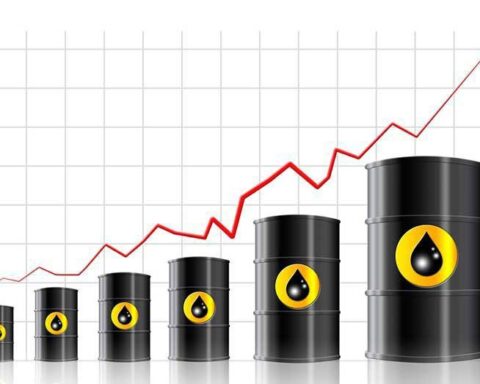
The typical retail pack of condoms in the United States costs between $10 and $15. Analysts expect that could climb by as much as 12 percent in the next few months if shipping and input costs remain inflated.
European and U.S. retailers already report delayed shipments and inconsistent distributor pricing. Supermarket chains are reviewing alternative suppliers, though condom production tends to be highly concentrated among a small number of Southeast Asian firms.
“What’s striking here is that this is another example of how global events far removed from daily life can ripple into intimate spaces,” said Dr. Helena McCoy, a commodities economist at the University of Chicago. “From oil to latex, from shipping to packaging, every link in the chain matters.”
A Reminder of Fragile Supply Networks
The pandemic exposed vulnerabilities in the same globalized manufacturing system now under strain again. The Iran war has merely highlighted those weaknesses anew: just-in-time supply models, thin margins, and dependence on fuel-sensitive logistics.
Companies are quietly exploring “friend-shoring” arrangements — relocating parts of their supply chains to politically stable countries closer to Western markets. But experts caution that such moves take years and could drive prices even higher in the short term.
In the meantime, consumers may simply need to brace for another inflationary spike — one that crosses an unexpectedly personal threshold.