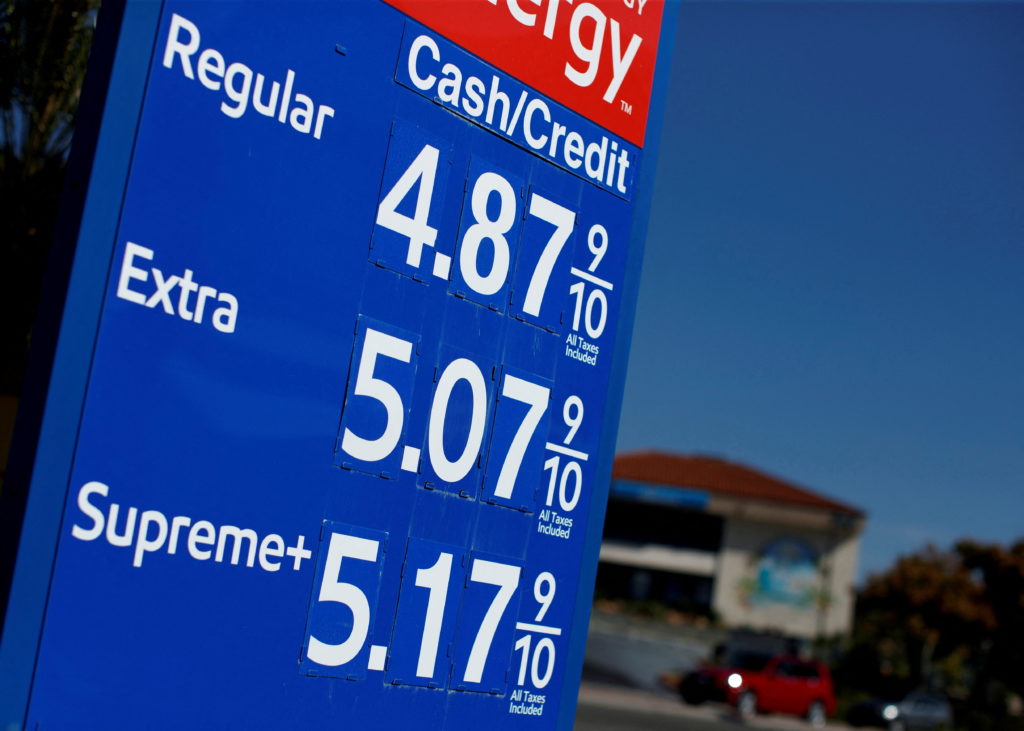

Gas prices won’t fall quickly amid the lingering effects of international tensions and seasonal demand surges, leaving American drivers to shoulder higher costs at the pump for weeks, if not months. Here are ways to pay less at the pump right now that can make an immediate difference in household budgets strained by the recent spike.
As of April 20, 2026, the national average for regular unleaded gasoline hovered near $4.05 a gallon, according to AAA data tracking daily fluctuations across more than 60,000 stations. That figure, while down slightly from a recent high of $4.17, remains sharply elevated compared with the sub-$3 prices many drivers enjoyed before the escalation of conflicts in the Middle East disrupted oil flows through critical shipping lanes. Energy Secretary Chris Wright acknowledged on Sunday’s “State of the Union” that prices may not dip below $3 until later this year or even 2027, a sober assessment that contrasts with earlier administration optimism about a swift return to normalcy.
The reasons for the stubborn stickiness are multifaceted. Crude oil prices, which account for roughly half the cost at the pump, have been buffeted by supply uncertainties even as some tanker traffic resumes. Refiners are still working through higher input costs, and retail margins have been slow to normalize, according to the Energy Information Administration’s latest Short-Term Energy Outlook. Spring driving season has added further pressure, with vehicle miles traveled ticking up as families head out for vacations and commutes lengthen in warmer weather. Analysts at GasBuddy, the fuel-price tracking service, note that without a sustained drop in global benchmarks below $80 a barrel, relief will remain elusive for ordinary motorists.
Gas Prices Won’t Fall Quickly: Here Are Ways to Pay Less at the Pump Right Now
Yet drivers need not wait passively for market forces to shift. Practical steps, drawn from long-standing advice by consumer advocates and fuel experts, can shave 10 to 50 cents off every gallon or more through smarter habits and strategic shopping. Patrick De Haan, head of petroleum analysis at GasBuddy, emphasizes that the single biggest lever remains comparison shopping. “Prices can vary by 20 cents or more within a few miles,” he said in a recent interview. “The difference adds up fast if you’re filling a 15-gallon tank twice a week.”
Mobile apps have made that easier than ever. GasBuddy, Waze and Google Maps all display real-time prices sorted by proximity and grade. Users can filter for regular unleaded and set alerts for stations dropping below a target threshold. In urban areas like Los Angeles or New York, where premiums can reach $5 or $6 a gallon in some neighborhoods, the savings from driving an extra mile or two to a cheaper outlet often outweigh the fuel burned getting there. De Haan recommends checking prices in the morning or late evening, when stations are less likely to have adjusted upward for peak-hour traffic.
Warehouse clubs offer another reliable discount for members willing to pay the annual fee. Data from the Oil Price Information Service shows Costco gas averaging 34 cents below the national figure, with Sam’s Club and BJ’s trailing by about 26 cents. The strategy works because clubs use low-priced fuel as a loss leader to draw shoppers inside for groceries and other goods. For families already buying in bulk, the math is straightforward: a $60 membership can pay for itself in a few months of fill-ups, especially if combined with in-store rewards.
Loyalty programs at supermarkets and big-box retailers provide layered savings without requiring upfront costs. Kroger’s long-running fuel points system lets shoppers earn one point per dollar spent on groceries, redeemable for up to $1 off per gallon at affiliated pumps or participating Shell stations. Walmart+ members receive an automatic 10 cents off at more than 13,000 locations, including Exxon and Murphy stations. Even casual users report trimming 15 to 20 cents a gallon by linking credit cards or apps like Upside, which offers cash-back rebates at select pumps after claiming digital offers.
Vehicle maintenance might seem mundane, but it delivers measurable returns. The Department of Energy estimates that properly inflated tires alone can improve fuel economy by 3 percent, translating to roughly 10 cents a gallon at current prices. A loose gas cap, by contrast, allows vapor to escape, quietly wasting fuel worth several dollars a month. Simple checks—done at home with a $5 gauge or at any service station—keep engines running efficiently. Experts also advise sticking to the octane rating recommended in the owner’s manual rather than defaulting to premium, which provides no benefit for most everyday vehicles and costs 30 to 50 cents more per gallon.
Driving behavior matters more than many realize. Accelerating gently, maintaining steady speeds around 50 to 55 miles per hour on highways, and avoiding prolonged idling can boost mileage by 10 to 20 percent in real-world tests. Removing roof racks or bike carriers when not in use reduces aerodynamic drag, while combining errands into fewer trips cuts total miles driven. In cities with robust public transit, even occasional bus or train rides can offset a tank or two each month.
For longer-term thinking, some households are exploring hybrid or electric options, though the upfront cost remains a barrier for many. Used hybrids from recent model years can deliver 40 miles per gallon or better, paying back the premium over conventional cars within two years at today’s prices. Tax credits and state rebates continue to sweeten the deal in places like California, where gas already averages well above $5.
Regional variations add another layer. Drivers in the Midwest often see the lowest prices thanks to proximity to refineries, while coastal states shoulder higher distribution costs and taxes. California, for instance, has hovered near $5.89 recently, prompting residents to cross into neighboring states when feasible or stock up on cheaper fuel during trips. Apps help identify these arbitrage opportunities, but drivers should factor in time and extra miles.
The psychological toll of sustained high prices is real. Household budgets stretched by groceries, rent and insurance leave little room for $70 fill-ups that once cost $45. Consumer surveys from AAA show many families already cutting back on dining out, travel and discretionary purchases. Yet those who adopt a handful of the strategies above report reclaiming $20 to $40 monthly—money that can be redirected toward savings or small pleasures.
As policymakers in Washington debate further releases from the Strategic Petroleum Reserve and monitor OPEC+ production decisions, the immediate power rests with drivers themselves. The market may take its time to cool, but informed choices at the pump can blunt the impact today. With summer travel season approaching, those small decisions could determine whether the higher prices feel like a temporary squeeze or a lasting burden.