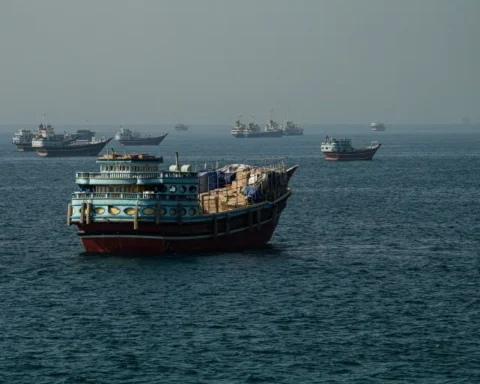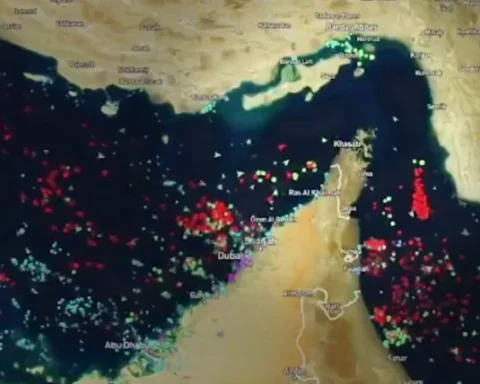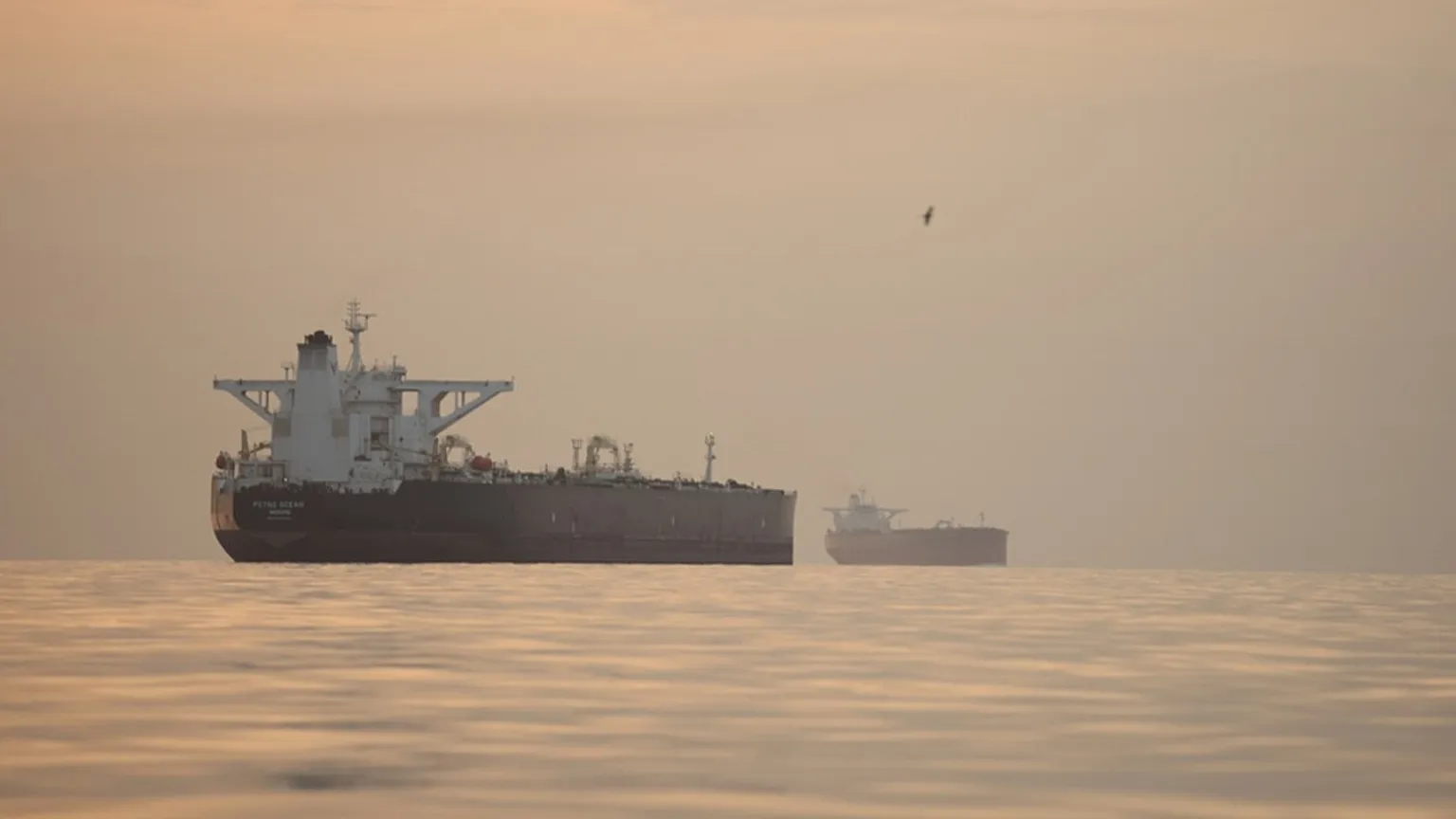

Tehran has vowed retaliation after the United States seized an Iran-flagged vessel that was defying a naval blockade, thrusting the two longtime adversaries into a dangerous new chapter of confrontation that threatens to ripple across the Middle East and beyond. The operation, carried out by American naval forces in waters near the Strait of Hormuz, has already sent oil prices climbing and prompted urgent diplomatic calls from allies on both sides.
The seizure unfolded on the evening of April 19, 2026, when U.S. warships from the Fifth Fleet intercepted the tanker MV Persian Glory, according to defense officials who described the vessel as attempting to breach a blockade intended to enforce sanctions on Iranian oil exports. The ship was carrying an estimated 1.2 million barrels of crude, bound for markets in Asia, in what Washington described as a clear violation of longstanding U.S. restrictions aimed at curbing Tehran’s nuclear ambitions and regional proxy activities.
The move comes at a moment of heightened fragility in the region. For months, American and allied vessels had been patrolling key chokepoints to prevent sanctions-busting shipments, part of a broader strategy that has intensified since the collapse of indirect nuclear talks last year. Iranian state television broadcast footage of Revolutionary Guard commanders meeting in emergency session, while the country’s foreign ministry summoned the Swiss ambassador, who represents U.S. interests in Tehran, to deliver a formal protest.
Tehran Vows Retaliation After U.S. Seizes Iran-Flagged Vessel Defying Blockade
Iranian leaders wasted little time in framing the incident as an act of aggression. Supreme Leader Ayatollah Ali Khamenei’s office issued a statement warning that “the Islamic Republic will respond in due time and in the appropriate manner to this blatant violation of international waters.” A senior commander in the Islamic Revolutionary Guard Corps, speaking on condition of anonymity because he was not authorized to discuss operational plans, told reporters in Tehran that “options are on the table, including asymmetric measures in the Gulf and beyond.”
The rhetoric echoed past flashpoints, such as the 2019 tanker seizures and the 2022 drone attacks on Saudi facilities, but carried a sharper edge this time. Iranian officials pointed to what they called a pattern of U.S. “economic terrorism,” arguing the blockade itself was illegal under international maritime law. At a hastily convened news conference in the capital, Foreign Ministry spokesman Nasser Kanaani declared, “The United States has chosen confrontation over dialogue, and it will bear the consequences.”
In Washington, the Biden administration’s successor defended the action as routine enforcement. A Pentagon spokesperson, in a statement released late Saturday, said the vessel was “operating in defiance of multiple United Nations resolutions and U.S. sanctions designations.” The Navy released video showing commandos boarding the tanker after it ignored repeated hails and warning shots. No injuries were reported, and the crew of 27 Iranians was detained aboard a U.S. vessel pending further proceedings.
The incident has drawn sharply divided reactions from global powers. China, a major buyer of discounted Iranian oil, expressed “serious concern” through its embassy in Washington and called for restraint. Russia, which has deepened ties with Tehran since the Ukraine war, accused the United States of “piracy on the high seas.” European allies, already stretched by commitments in Ukraine and the Red Sea, urged both sides to de-escalate through back-channel talks.
Yet analysts warn that the stakes are higher than in previous episodes. “This isn’t just about one tanker,” said Suzanne Maloney, director of the Middle East program at the Brookings Institution. “It’s about the credibility of the entire sanctions regime at a time when Iran’s economy is already under immense pressure and its nuclear program continues to advance.” Maloney noted that Tehran has enriched uranium to near weapons-grade levels, according to the latest International Atomic Energy Agency report, and has expanded its fleet of shadow tankers to evade detection.
Oil markets reacted swiftly. Brent crude futures jumped more than 4 percent in early trading on Monday, with traders citing fears of supply disruptions if Iran follows through on threats to close the Strait of Hormuz, through which roughly one-fifth of global oil passes daily. Energy Secretary Jennifer Granholm told reporters that strategic reserves were ready if needed, though she stopped short of confirming any immediate release.
The episode also revives uncomfortable questions about U.S. naval posture in the Gulf. The Fifth Fleet, headquartered in Bahrain, has seen its resources stretched thin by simultaneous operations supporting Israel against Hamas and Houthi attacks on shipping in the Red Sea. A senior U.S. defense official, speaking on background, acknowledged that the operation required careful coordination to avoid escalation. “We took every precaution,” the official said. “But Iran has a history of testing boundaries.”
Inside Iran, the seizure has galvanized hard-liners who have long pushed for a more confrontational stance. Reformist voices, already marginalized, have been largely silent. Social media in Tehran buzzed with calls for revenge, while state media aired images of burning American flags. President Masoud Pezeshkian, who came to office promising pragmatic engagement, faces pressure from the clerical establishment to project strength.
Legal experts are divided on the merits of the U.S. position. Some international lawyers argue that the blockade, never formally declared as such by the United Nations, rests on shaky ground. Others point to precedents set during the 1980s tanker war, when the U.S. escorted Kuwaiti vessels through the same waters. The captured tanker’s owners, a front company linked to Iran’s national oil firm, have already filed an appeal through diplomatic channels.
As night fell over the Persian Gulf, American warships maintained a heightened state of alert. Iranian speedboats were spotted shadowing U.S. patrols, though no direct clashes were reported. In the coming days, the fate of the MV Persian Glory—and its crew—will likely become a focal point for back-room negotiations. For now, the message from Tehran is unmistakable: the seizure will not go unanswered.