
In the volatile waters where the Persian Gulf meets the Arabian Sea, Iran maintains a formidable and seemingly permanent influence over the Strait of Hormuz, a critical artery for global energy supplies that shows no sign of slipping from Tehran’s strategic grasp despite repeated international efforts to challenge it. This choke point, through which roughly one-fifth of the world’s oil and significant volumes of liquefied natural gas flow under normal conditions, has become more than a geographic feature—it is a lever of power that Tehran has wielded effectively amid escalating regional conflicts.
As of June 4, 2026, the strait remains a focal point of tension following months of disruptions triggered by U.S. and Israeli military actions against Iranian targets earlier this year. Shipping traffic has yet to fully recover, insurance premiums for tankers have soared, and global oil markets continue to feel the ripple effects. Analysts from various outlets note that while temporary blockades and skirmishes capture headlines, the deeper reality is Iran’s structural advantages that make its role here resilient.
Geography as Destiny: Iran’s Natural Advantage
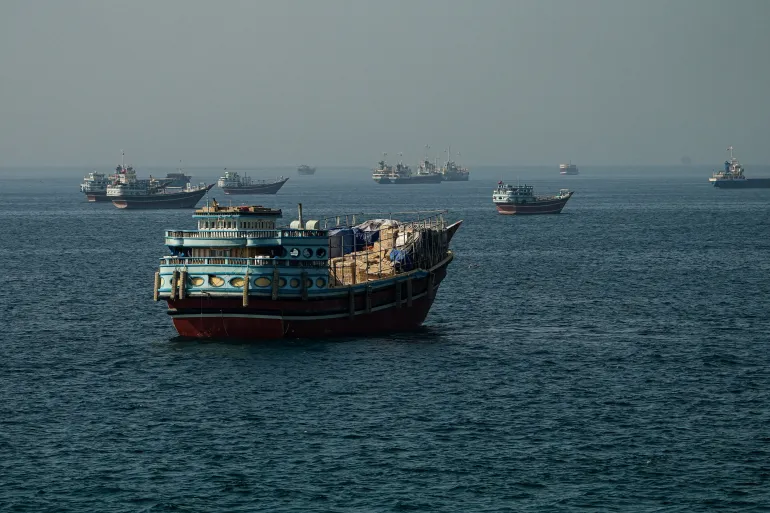
The Strait of Hormuz is narrow at its tightest point, just 21 miles wide, with shipping lanes even more constrained. Iran’s extensive coastline along the northern shore, combined with its control over strategic islands like Qeshm, Hormuz, and the Tunbs, gives it unparalleled proximity to monitor and, when desired, disrupt maritime traffic. This is not abstract geopolitics; it is a daily operational reality for naval commanders and shipping executives alike.
Oman, which shares the southern side, has historically played a more neutral role, but even joint arrangements have not diminished Tehran’s capacity. Experts point out that Iran’s position allows it to deploy asymmetric tools—fast-attack boats, drones, anti-ship missiles, and naval mines—with relative ease, making any sustained challenge costly for larger powers.
The 2026 Crisis: Testing the Limits of Influence
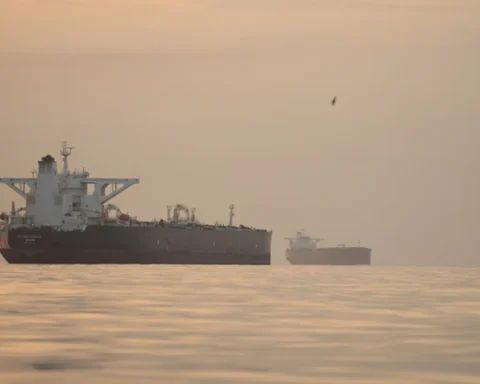
The latest chapter in this saga unfolded dramatically in late February 2026 when U.S. and Israeli strikes targeted Iranian nuclear and military sites. In response, Iranian forces moved swiftly to disrupt traffic through the strait, declaring sections effectively off-limits and conducting operations that led to a sharp decline in transits. What followed was a period of heightened risk, with reports of attacks on vessels, stranded tankers, and a de facto reduction in flows that removed millions of barrels per day from global supply.
By spring, a fragile ceasefire took hold, yet full normalization has proven elusive. U.S. naval forces have conducted interdictions, while Iran has signaled it retains the ability to ratchet up pressure. Oil prices climbed toward $100 per barrel at peaks, reminding markets how quickly this waterway can reshape economics from Houston to Beijing.
Why Iran’s Influence Over the Strait of Hormuz Is Here to Stay
Despite military setbacks, diplomatic isolation, and economic sanctions, several interlocking factors suggest Iran’s sway over the Strait of Hormuz will endure for the foreseeable future. First is the sheer difficulty of alternative routes. Pipelines bypassing the strait, such as those in Saudi Arabia or the UAE, have limited capacity compared to the volume normally shipped by sea. Expanding them sufficiently would require years and massive investment, something Gulf states have pursued cautiously but not at transformative scale.
Second, Iran’s military doctrine emphasizes asymmetric warfare precisely suited to this environment. Conventional naval superiority held by the United States can clear mines or escort convoys in the short term, but maintaining open passage indefinitely against determined harassment carries high political and financial costs. History from the 1980s “Tanker War” shows how quickly disruptions can escalate.
Third, global dependence remains high. Even with diversification efforts toward renewables and other suppliers, Asia’s growing energy appetite—particularly in China and India—ties the region’s stability to Hormuz flows. Tehran understands this interdependence and has used it as leverage in negotiations, occasionally floating ideas like passage fees or oversight mechanisms that would formalize its role.
Interviews with regional analysts reveal a consensus that outright removal of Iranian influence would require either a comprehensive political settlement acceptable to Tehran or a prolonged military commitment few international actors are eager to sustain. “The strait is not just a shipping lane,” one longtime observer noted. “It is embedded in Iran’s national security identity.”
Economic Ramifications and Global Ripple Effects
The economic stakes are enormous. Pre-crisis figures showed around 20 million barrels of oil per day transiting the strait, alongside substantial LNG from Qatar. Disruptions in 2026 have contributed to volatility, higher freight costs, and concerns over inflation in energy-importing nations. Developing countries, in particular, face compounded pressures from elevated import bills and supply uncertainties.
Shipping firms have rerouted where possible, but the longer journey around Africa adds time and expense. Insurance markets have adjusted premiums dramatically during peak tensions, further complicating logistics. For oil exporters in the Gulf, the vulnerability has spurred quiet diplomacy and infrastructure reviews, yet few believe the strait’s centrality will fade soon.
Diplomatic Deadlocks and Future Scenarios
Efforts to broker lasting stability have stumbled over core issues: Iran’s regional activities, its nuclear program, and its insistence on a voice in gulf security matters, including Hormuz. Recent talks have included discussions of ceasefires tied to reopening the strait, but mutual distrust persists. U.S. officials emphasize freedom of navigation as a red line, while Iranian leaders frame their position as defensive sovereignty.
Looking ahead, scenarios range from managed coexistence—where Iran exerts calibrated influence without full closure—to periodic flare-ups that keep markets on edge. Proxy dynamics involving groups in Yemen and elsewhere add layers of complexity, as disruptions elsewhere can compound Hormuz pressures.
Military Realities: Asymmetry in Action
Iran’s Revolutionary Guard Corps has invested heavily in capabilities tailored for the strait: mobile missile launchers along the coast, swarming tactics with small vessels, and underwater assets. These tools allow Tehran to impose costs disproportionately to its conventional strength. While U.S. and allied forces can project power, the political will to engage in an open-ended policing operation in these confined waters is limited.
Past incidents demonstrate that even limited actions—mining operations or harassment—can achieve strategic signaling without triggering all-out war. This dynamic favors the defender in many respects.
Regional Perspectives and Shifting Alliances
Gulf Arab states, while wary of Iranian ambitions, also recognize the shared interest in stable energy exports. Oman has often served as a mediator, leveraging its position on the strait. Saudi Arabia and the UAE have developed eastern pipelines and deepened ties with Asian buyers, yet Hormuz remains the primary outlet.
China, a major importer, has stakes in keeping flows steady but maintains relations with Tehran. Russia and other actors add to the multipolar mix, complicating any singular narrative of control. The result is a contested space where Iran’s influence persists amid competing interests.
The Human and Environmental Costs
Beyond economics and strategy, disruptions carry human dimensions: crews stranded or endangered, fishing communities affected along coastlines, and environmental risks from potential spills in a busy waterway. These factors weigh on decision-makers, often favoring de-escalation over confrontation.
In coastal Iranian towns, the strait represents livelihood and pride, reinforcing domestic support for assertive policies.
Looking Forward: Endurance Over Resolution
As international diplomacy continues, the enduring lesson of recent months is the resilience of Iran’s position. Structural geography, military adaptation, economic necessity, and political determination combine to make its influence difficult to dislodge. While short-term openings may occur, the underlying power balance suggests the strait will remain under significant Iranian shadow for years.
This reality compels stakeholders to engage pragmatically, balancing deterrence with dialogue in hopes of preventing future crises that could dwarf current disruptions.